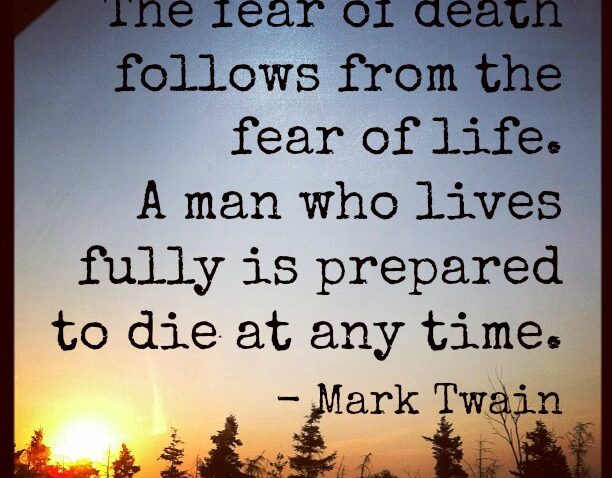
On Death, Part 5: A Point of View Beginning with Why We Are Here
To understand death should begin with first addressing why are we here, specific to our life experience here on Earth. This is the subject of this post/podcast.
In my first post on this series, “We Are All Going to Die, So Let’s Learn About It” I shared some of my early experiences with death, the fear I developed of death, along with the journey I started later in my life to learn more about death. In Part 2, I elaborated on these experiences and how they reshaped my understanding and view of death. Part 3 shared highlights of my time with Tom Sawyer, a near-death experiencer, which confirmed these new beliefs that there was indeed something to death. In this segment, we will consider the advantages of coming to grips with death as a part of life in contrast to the disadvantages of not.
Where can one go to further understand the concept of consciousness? Science would be a primary source, particularly with all the advances in brain research (e.g. neuroscience). It would make sense that we begin a study here, since it would seem that consciousness would be a function of the brain. But is it? Let’s examine what some on the fringe or discovering.
In this episode, I will devote the time to an encounter with a man who had died. And of course, his name had to be Tom Sawyer. So sit back and I hope you enjoy my own personal travels with Tom Sawyer as I would explore death and learn from someone who had a first hand account with this. It does not get any better than that!!
This post will focus on my own experiences and education related to death, integrating in several stories that provided me with more and more data points to help me form a new understanding of death not based on what someone told me, but the summation of my own research and experiences. No, it is not meant to be all about me, but instead using my own experiences as a guide and inspiration for others to take time to understand death and come to grips with their own mortality.
Welcome to a series on death. Talk about an opening that would send most people out the door! I probably would have more interest in a discussion about murder or getting a root canal. So why talk about death? By studying death we can form our own conclusion and beliefs. These can help us to grapple with our own mortality and more importantly, the importance of living our lives fully.
I was fortunate to have studied death and volunteer in roles that related to death. With an open mind, a willingness to let-go of so much of the dogma I was taught to belief, and the courage to face my ultimate fear, I had educated myself about death. This combined with the numerous experiences I personally had would forever change my view and understanding of death. This is the value of coming to grips with the inevitable – our mortality.
For most of us our time is consumed by our thoughts that swirl around in our heads endlessly it seems. We are either in thought or sleeping. Consciousness is our ability to sideline our thoughts to connect with a higher source. What is the distinction between consciousness and thought? This podcast provides some definition and examples to help you recognize the contention between your physical self, thoughts and ability to connect with your consciousness.
There appears to be a hidden door that needs to be opened before the next plateau of science can evolve. I believe that this new door is understanding consciousness which was even mentioned by some scientists. This article considers Consciousness as the new Theory of Everything, along with my own thoughts on this.
In Part 1 we provided an orientation towards consciousness and the key ingredients of stepping back, realizing you have choices, and then making the best choice through rational thought. In Part 2 we provided a basic example for how you can apply a more conscious approach to stressful situations. In this segment we will talk about making this a way of operating in your every day life, or conscious living.
Learning to become conscious and self-aware is challenging. We are not accustomed to operate this way. Instead we react through life. Learning how to apply techniques to proactively deal with situations not only helps to develop our consciousness and self-awareness, but also improve our overall mental health and happiness.